Baptism and Family Evangelization

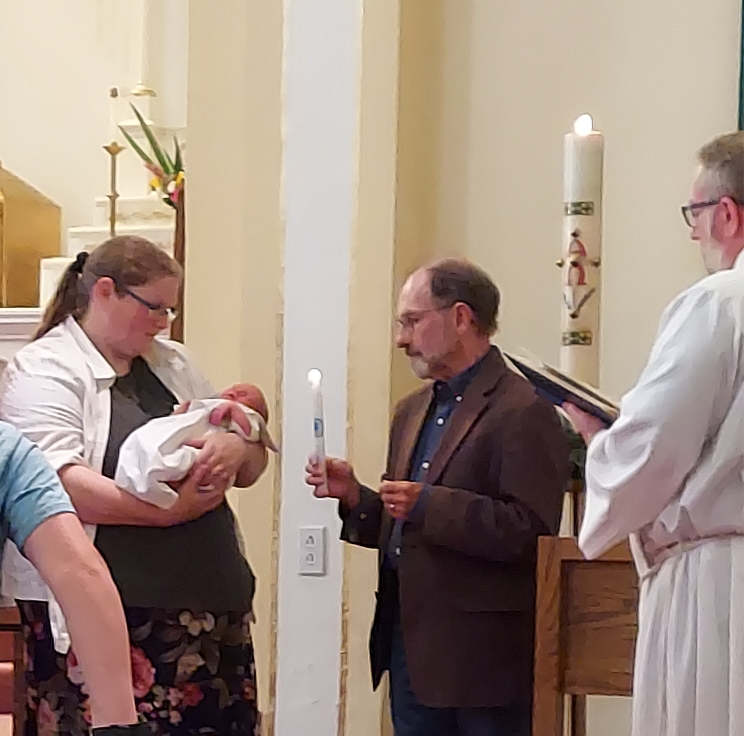
Through baptism, we welcome children into their lifelong journey of maturing discipleship. From there they enter into a period of faith development where (through family life) the gospel is proclaimed and very early catechesis begins. Somewhere around age six they enter into formal catechesis through the parish. Through later catechesis and the sacramental life lived together at home and the parish, children are invited into a life of missionary discipleship that will continue for their entire lives.
While some parents are actively engaging with their parish communities and sharing the faith with their children, many others are not. In families where parents are not living the life of missionary discipleship, the second step in a child’s faith development, proclamation, is interrupted with significant impacts for both the child and the parish's future catechetical efforts. How do we fill the hole, welcoming both parents and children for this period of proclamation and family evangelization?
One answer among many is to enter into a systematic period of invitation and hospitality directed towards evangelizing families who come to our parishes for the Sacrament of Baptism. We can invite these families back to Mass- back to hear Jesus proclaimed- by taking the opportunity to educate on why attending Mass is important and help them build skills to support their child, even if they don’t yet understand completely themselves. One of the beautiful things is that this approach simply aligns both the developmental needs of the child with the spiritual needs of the adult. Rather than being asked to embrace the practice of their Catholic faith (possibly for the first time) and then immediately turn around and nervously teach it to their child, every single individual act of faith by the parents is immediately observed and absorbed by the child.
The backwards genuflecting, the climbing higher to see what is happening in the front of church, noticing the change of liturgical seasons, "singing" the alleluia long after others have stopped, adding their voice to familiar prayers, awkward at first attempts to make the sign of the cross, fingers and fists of holy water ... all of these are ways that a child participates in the liturgy of the Eucharist.
As they do these things, going literally helps their growing!
Children learn social skills as they interact with members of the parish community, learning different people have different roles inside the parish. They learn to control their bodies and to move with the rhythm of Mass, movements that will embed themselves into muscle memory and stay there for the rest of their lives. They absorb unmeasurable amounts of truth, beauty, and goodness that prepares them for the facts that will come later. Is it pretty at every moment? Absolutely not!
Is it beautiful anyway? One hundred percent yes!
Ask any second grade catechist and they can instantly list 100 ways that the children in their learning environments fall neatly into two groups- those who have been to Mass weekly and those who have not. The former are easy to teach. The latter give gray hairs and create volunteer burn out in droves. By later childhood and adolescence (confirmation preparation, I'm looking at you) the difference is realistically insurmountable catechetically speaking. What if the way to "fix" the faith formation program is recognize that it isn't whats broken? What if we can't create a bandaid with a new curriculum- no matter how shiny and new? What if the fix is free? What if the fix is nothing more than putting families back in the pews between baptism and first communion to let Jesus do the heavy lifting? What if evangelization of the entire family starts with baptism?
Maybe we can't nurture grown adults into missionary disciples over night. It is almost certainly unrealistic and doomed to failure. We can, however, use opportunities when people are already present and directly connect baptism and evangelization of families. We can accompany families from the beginning rather than turning to shame and blame when later sacramental preparation and faith formation roll around.
We developed the Baptism and Early Childhood Toolkit to help parishes do just that. Inside you will find resources for the first six years of life that help parents understand the importance of attending Mass, recognize and delight in the wonder of their child’s faith development, and make connections with the parish that will endure for years to come. For help using the toolkit or developing a baptism and evangelization plan specifically for your parish, reach out to Heidi at heidi@designedfordiscipleship.org today!


Comments